Pagham and Medmerry – March 2026
On the way home in Lucy’s car there was a discussion on the merits and otherwise of a selection of weather forecasting websites.

Most sites seem to use this yellow circular shape for sun

Most sites seem to use this grey fluffy shape for murky cloud
The one we looked at seemed to have changed these two symbols round!! Foggy mist out to sea didn’t seem to feature at all.
However, we are Henfield Birdwatch and we don’t bother about such detail. We just get on with it.
A very prompt start was made at 8 a.m. and 13 people in 3 cars arrived at Pagham RSPB Centre at around 9.05 which was a good thing even if it meant a 55-minute wait for the doors to be opened up for coffee. Were we bothered? We went to the Ferry Pool hide and immediately saw Avocets, Black Tailed Godwits with a hint of breeding orange, Shoveler, Wigeon, lots of Black Headed Gulls and a distant pylon hugging Buzzard. A 180-degree turn then showcased woodland birds on extremely well filled feeders.
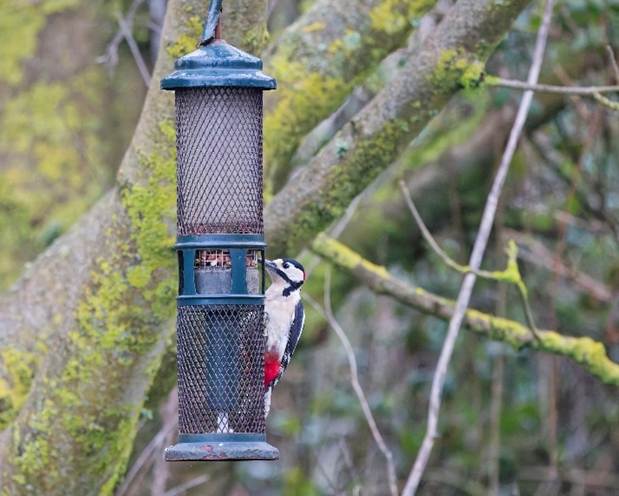
Louis is to thank for all his great bird photos during the trip. He didn’t get the one he wanted of a White-Tailed Eagle because the blighter just wouldn’t turn in an appearance, doubtless it had looked at the same weather forecast as us and was sulking.
Sometimes as group leader you have to rein people in. I was smugly congratulating myself for being at a point where a little circular jaunt would bring us back to the Centre bang on opening time when I noticed that a large proportion of the group was disappearing into the far grey yonder. They were rounded up and our circuit yielded Collared Doves foraging in the mud, Redshank, Moorhen and voluble Dunnocks, Wrens, Robins, Chaffinches and Great Tits.
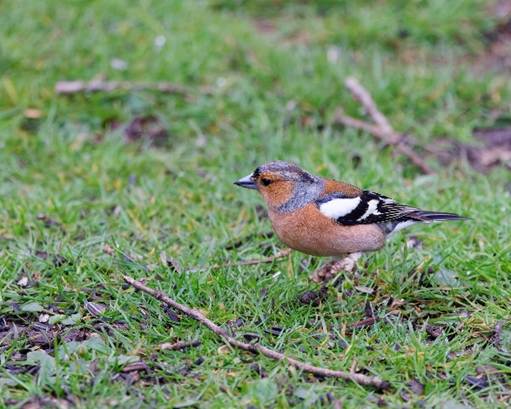
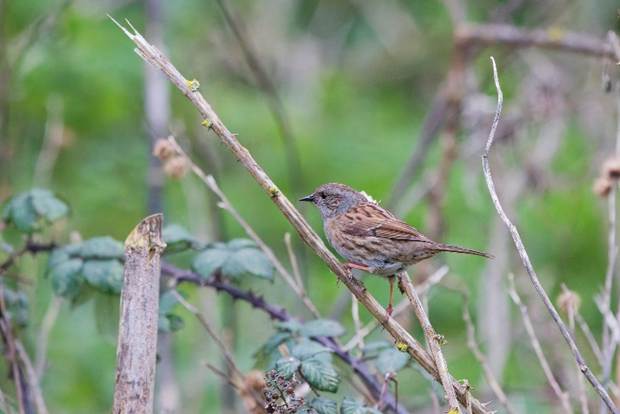
We were expecting the tide to be out quite a long way and it was but there was a good selection of birds to see. Claire managed to add Ringed Plover to her year list once she had actually found the lone one among scurrying Dunlin. Dave was on form, finding a distant group of Knot which most of us had identified as chubby, brown blobs. Debbie enjoyed the stealthy steps of Grey Plovers. A Cetti’s warbler periodically provided a soundscape which was supplemented by plaintive Curlews and neurotic Redshanks. A first of the year for me was provided by a skein of Brent Geese which wafted onto the water and promptly disappeared from view.
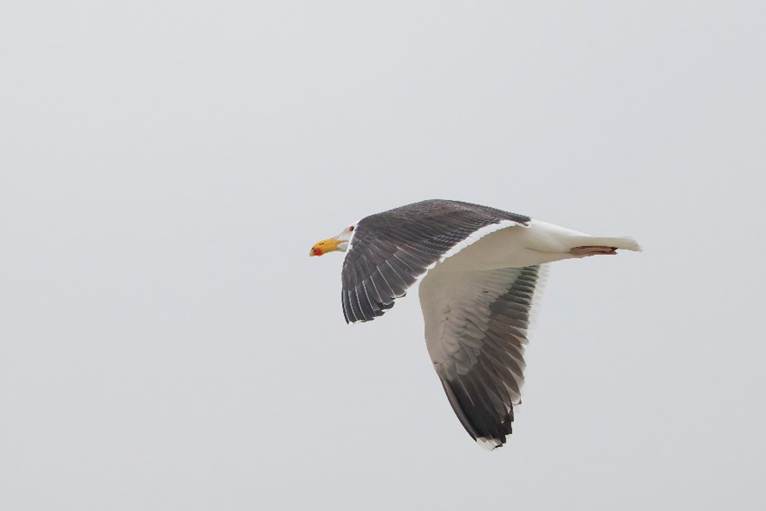
It was chilly so we opted for a briskish trundle down to the beach. The liveliest things on the beach were Crows although eventually we were given the opportunity to comment on the size of Great Black Backed Gulls as they cruised overhead or loafed on the beach. Some enlightened person mentioned the word lunch and within no time the seashore was abandoned as we marched back to the car park.
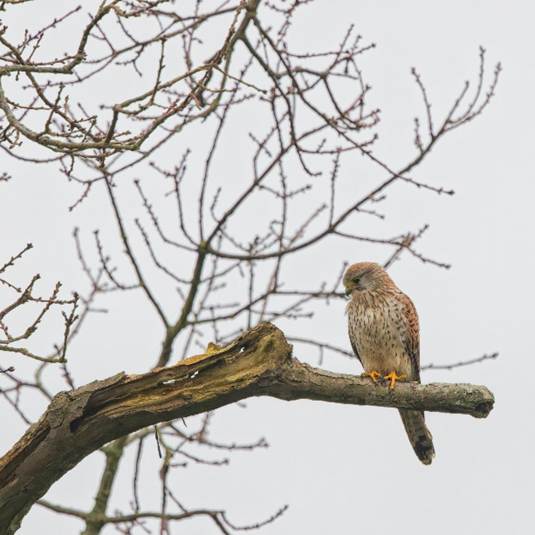
Since I had set a demanding target of 60 species everyone agreed (I hope) to a walk around the graveyard by the little church. This was pleasant in itself. Diana wondered at the amount of graves in such a remote churchyard while others commented on what a beautiful, atmospheric site it was with its well-kept grounds and proximity to the sea. Rikki and Fleur both enjoyed the lovely birdy, stained glass window in the church. As for birds, Debbie heard a Chiffchaff, Claire found a Long-Tailed Tit which Louis photographed after much pleading for the bird to turn round and face the camera and a Goldcrest came out onto some bare branches to advertise its littleness. A Kestrel posed nicely on a distant branch which was no problem for Louis’ camera.
We had lunch outside by the churchyard wall which showed how tough we are. We didn’t hang around too long though and headed back to the cars while Dave did a little circuit back to the waterside as the tide was beginning to drive birds closer. He was able to report Whimbrel, Greenshank and overhead Linnets. Our additional contribution to the burgeoning day list was a Green Woodpecker which bounced past and landed on the side of a bare branch to give good views. Hilary spotted 2 other bouncy fliers by the car park which turned out to be Great Spotted Woodpeckers.
With the bird list hovering in the mid-40s we moved on to Medmerry. We had expected a bit more bird song despite being early in the year but eventually patience paid off during the afternoon and we picked up some nice species. Those with the best hearing put us on to Skylarks, Meadow Pipits, Goldfinches and Linnets. There were good numbers of Teal and Wigeon on the flooded fields and, of course, we found a few Canada Geese. Grey Heron and Little Egrets made themselves known, flying flappily around.
One debate which developed revolved around distinguishing, at distance, Black-Headed Gulls in breeding plumage from Mediterranean Gulls. Dave found the first Med Gulls but many of us saw some more later. We had expected the black heads of Med Gull to be much more extensive than BH Gull and much darker. A mixed flock way off in the fields seemed to be more difficult to tell apart. Possibly due to distance and the murk.
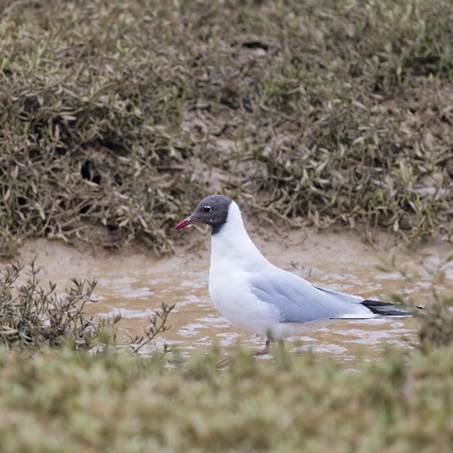
Thanks to Angel Ruiz Elizalde for the Mediterranean Gull on the right of Louis’ BH Gull.
Avoiding the muddy paths we made our way to the main body of water where more of the usual duck species were chilling out. There were Shelduck on the banks, Mute Swans impersonating stately galleons and a new species for the day, Tufted Duck, taking advantage of the deeper water where a Little Grebe was also diving enthusiastically. Here Lucy had one of her favourite moments when 5 Mallard flew straight towards us, quite low, seemingly jostling for air space. Lapwings were calling close by and 1 of very few Cormorants overflew them. More Dunlin and Ringed Plovers dotted the mudbanks and I spotted a Snipe veering away in the sky at top speed. Not long after this Dave found some more and we eventually counted up 21 well camouflaged little beauties.
Eventually we made it to the beach and Rikki produced her customary biscuit treat. I was halfway through a minty choccy one when Lucy and I saw a dark LBJ join a Pied Wagtail on the rocks. It kept disappearing then returning but eventually it showed well enough to be ID’d – Rock Pipit. This was the second of Lucy’s favourite moments as it was fun doing the detective work of tracking it down.
It had been a long day so we turned for home. We got a bit straggly as some went ahead while others were engaged in the big Med Gull debate, stopped to look at a very mini Starling murmuration and various other distracting observations. When the rearguard eventually made it to the car park it transpired that the vanguard had overshot by a considerable margin. The news was passed to us by a lone cyclist who then had the goodness to recycle his steps and go back to alert them of their error. But, we are Henfield Birdwatch! They were still smiling when they returned. While waiting Dave and I made good use of our time by finding some Fieldfares feeding amongst the grass.
Did we hit the target? Of course we did, We are Henfield Birdwatch. A glorious 67 species.
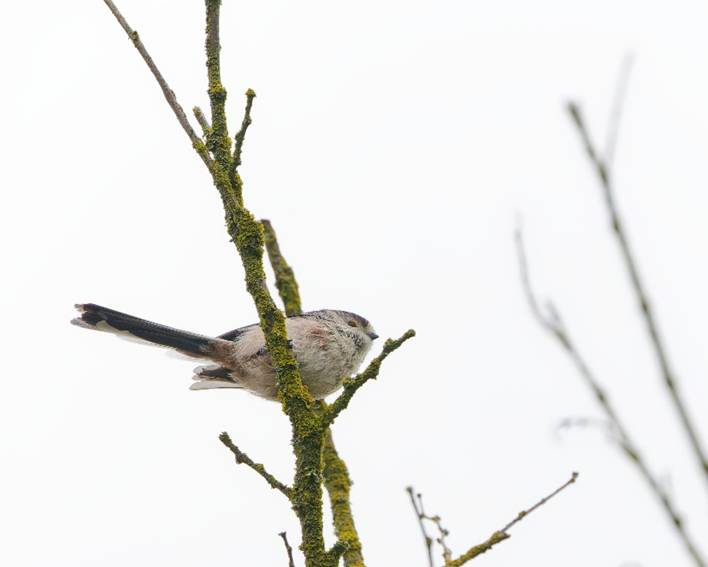
Here is the Long Tailed Tit that eventually did Louis the honour of turning round.